You’ve probably heard the word “blockchain” thrown around—maybe in conversations about Bitcoin, or in tech news claiming it’ll revolutionize everything from banking to voting. But what actually is it? Here’s the honest truth: blockchain sounds way more complicated than it really is. Let me break it down for you in plain English, without the technical jargon that makes most people’s eyes glaze over.
By the end of this guide, you’ll understand exactly what blockchain is, how it works, why people are excited about it, and whether it actually lives up to the hype. No computer science degree required—I promise.
What Is Blockchain? The Simple Definition
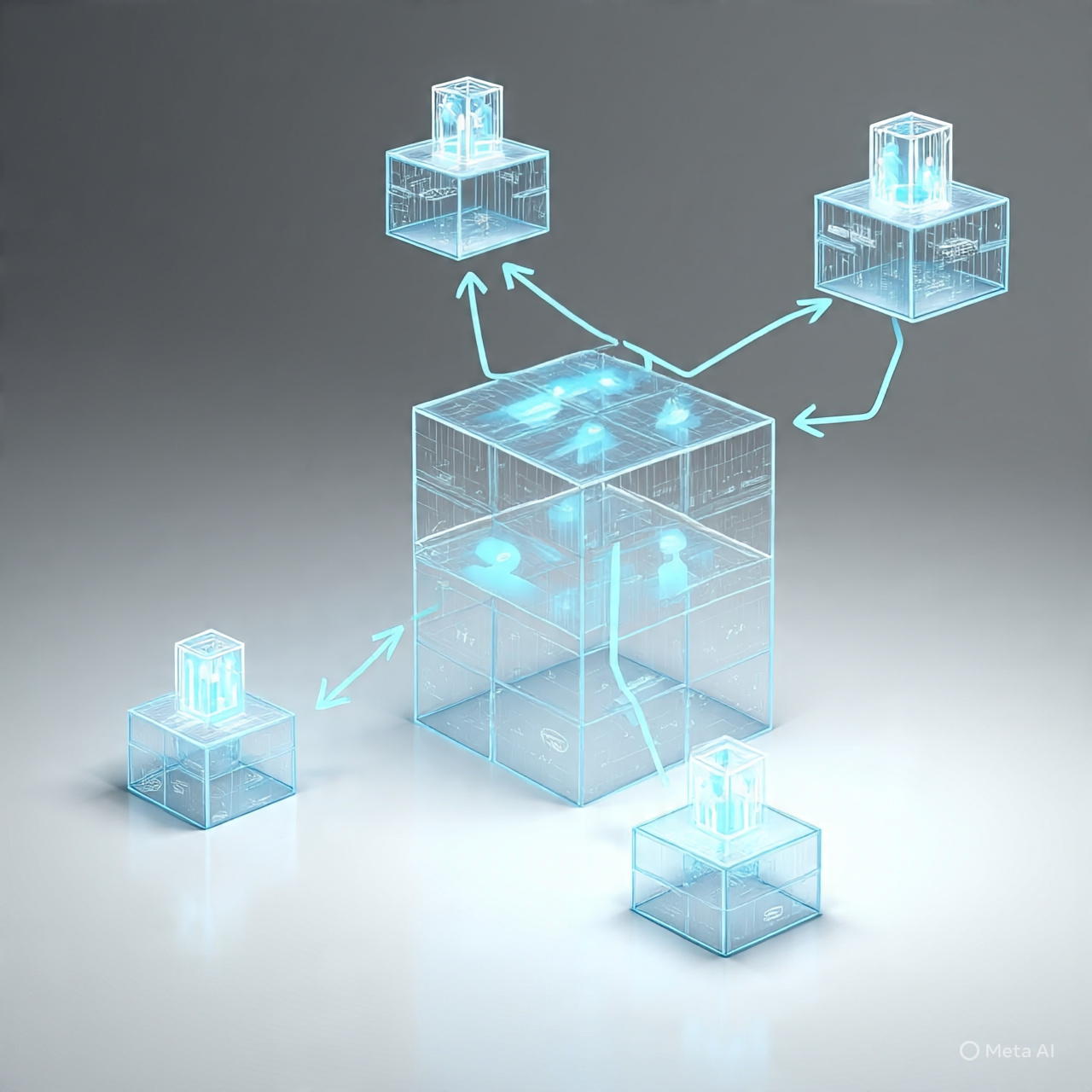
At its core, blockchain is exactly what it sounds like: a chain of blocks containing information. But instead of physical blocks, we’re talking about digital blocks of data that are linked together and secured using cryptography.
Think of it as a shared digital ledger that records transactions or information. Once something is written in this ledger, it’s extremely difficult to change or delete—kind of like writing in permanent marker instead of pencil.
According to IBM, blockchain is fundamentally about creating trust in digital environments where parties might not trust each other. It’s a way to verify information without needing a middleman like a bank or government agency.
Real-World Analogy: The Google Doc Comparison
Imagine you and your friends are planning a road trip. Instead of emailing a Word document back and forth (where only one person can edit at a time), you create a shared Google Doc that everyone can access simultaneously.
Now take that concept further: imagine this document has special properties where everything written becomes permanent after 10 minutes, everyone can see all changes in real-time, and you don’t need Google as the middleman to verify who wrote what. That’s essentially how blockchain works—it’s a shared, permanent record that no single person controls.
How Does Blockchain Actually Work?
Let me walk you through this step by step, using a simple example.
Step 1: A Transaction Happens
Let’s say Sarah wants to send $100 worth of Bitcoin to Mike. She initiates this transaction through her digital wallet.
Step 2: The Transaction Gets Broadcast
This transaction is announced to a network of computers (called nodes) around the world. These computers all have copies of the blockchain and are constantly monitoring for new transactions.
Step 3: Validation Process
Here’s where it gets interesting. The network validates Sarah’s transaction using complex mathematical problems. Computers compete to solve these problems—a process called “mining” in cryptocurrency systems. The first computer to solve it gets to add the transaction to a new block.
Step 4: The Block Gets Added
Once verified, Sarah’s transaction gets bundled with other recent transactions into a new “block” of data. This block is then added to the chain, creating a permanent record.
Step 5: The Transaction Is Complete
Now Mike receives his $100 in Bitcoin. This transaction is now part of the permanent blockchain record, visible to anyone but impossible to alter..
What Makes Blockchain Special?
Okay, so it’s a digital ledger. Why is everyone so excited about it? Here are the key features that make blockchain different:
1. Decentralization
Instead of one company or government controlling the database, thousands of computers around the world each hold a complete copy. No single point of failure, no single authority calling the shots.
2. Transparency
Anyone can view the blockchain and see all transactions. You might not know who “User123” is, but you can see every transaction they’ve ever made. This transparency builds trust.
3. Immutability
Once data is recorded, it’s nearly impossible to change. To alter a single block, you’d need to change every subsequent block across thousands of computers simultaneously—which is practically impossible with established blockchains.
4. Security
According to TechCrunch, blockchain uses advanced cryptography to secure data. Each block is mathematically connected to the previous one, creating an incredibly secure chain.
Real-World Uses Beyond Cryptocurrency
Bitcoin might be the most famous blockchain application, but the technology has potential far beyond digital money. Here’s where it’s actually being used:
🏥 Healthcare
Storing medical records securely where patients control access and doctors can quickly retrieve accurate history.
🚚 Supply Chain
Tracking products from manufacture to delivery, ensuring authenticity and preventing counterfeits. Walmart uses this for food safety.
🏠 Real Estate
Recording property ownership and transfers without lengthy paperwork and multiple intermediaries.
🗳️ Voting Systems
Creating transparent, tamper-proof voting records that could reduce fraud and increase trust in elections.
🎵 Digital Rights
Helping artists and creators prove ownership and get paid directly, without record labels or streaming middlemen taking huge cuts.
💼 Smart Contracts
Self-executing contracts that automatically complete when conditions are met—like releasing payment when goods are delivered.
Companies like IBM, Microsoft, and Amazon are all investing heavily in blockchain technology for enterprise solutions.
The Pros and Cons: Being Realistic
I’ve noticed a lot of articles either worship blockchain as the solution to everything or dismiss it completely as hype. The truth, as usual, is somewhere in the middle.
✅ Advantages
- Eliminates single points of failure
- Reduces fraud through transparency
- Cuts out middlemen and reduces costs
- Increases transaction speed in some cases
- Provides better data security
- Creates permanent, tamper-proof records
⚠️ Challenges
- High energy consumption (especially Bitcoin)
- Slower than traditional databases for many tasks
- Difficult to scale for mass adoption
- Regulatory uncertainty in many countries
- Requires significant technical expertise
- Once data is on the chain, it’s permanent—including mistakes
The environmental concerns are real. According to Forbes, Bitcoin’s blockchain consumes more electricity annually than some entire countries. However, newer blockchain systems are addressing this with more efficient methods.
Is Blockchain Really the Future?
Here’s my honest take after following this technology for years: blockchain solves specific problems really well, but it’s not a universal solution for everything.
It works brilliantly when you need decentralized trust—situations where multiple parties need to share data but don’t trust each other completely. Think international supply chains, cross-border payments, or public records.
But for everyday applications where you already trust the system? A regular database is faster, cheaper, and more efficient. You don’t need blockchain to store your grocery list or track your Netflix viewing history.
The technology is still evolving. According to Gartner, we’re probably 5-10 years away from seeing blockchain reach mainstream adoption in most industries. Some implementations will succeed spectacularly. Others will fail and be replaced by better solutions.
Key Takeaways 🔑
- Blockchain is a shared, permanent digital ledger that records information across many computers
- It eliminates the need for middlemen by using cryptography and network consensus to verify transactions
- The technology offers transparency, security, and decentralization that traditional databases can’t match
- Beyond cryptocurrency, blockchain has real potential in healthcare, supply chains, voting, and more
- It’s not perfect—energy consumption, scalability, and regulatory challenges remain
- Blockchain solves specific problems exceptionally well but isn’t the answer to everything
Final Thoughts: Should You Care About Blockchain?
If you’re investing in cryptocurrency, using blockchain-based applications, or working in tech, finance, or supply chain management—absolutely, you should understand the basics.
For everyone else? You don’t need to become an expert, but having a general understanding helps you make informed decisions. As blockchain technology matures, it’ll likely touch more aspects of our lives, just like the internet did gradually over decades.
The key is staying curious without getting swept up in unrealistic hype. Blockchain is a powerful tool with real applications, but it’s not magic. It won’t solve every problem, and it certainly won’t make you rich overnight despite what some cryptocurrency promoters might claim.
Keep learning, stay skeptical of outrageous claims, and remember: the best technology is the kind that works so well in the background that you barely notice it’s there.
Keep Exploring! 🚀
Now that you understand blockchain basics, you can dive deeper into specific applications that interest you. Whether it’s cryptocurrency, NFTs, or enterprise blockchain solutions, you’ve got the foundation to understand what’s real and what’s just hype.
Frequently Asked Questions