Monthly Budget Planner
Your Complete Guide to Taking Control of Your Money in 2025
I’ll be honest with you—I used to think budgeting was something only super organized people or finance nerds did. Then I realized I was spending way more than I thought on random stuff, and my savings account? Practically empty. Sound familiar? If you’re tired of wondering where your paycheck goes every month, you’re in the right place. Let’s talk about monthly budget planners and how they can literally transform your financial life.
Creating a monthly budget planner isn’t about restricting yourself or living on ramen noodles. It’s about understanding where your money goes and making intentional choices that align with your goals. Whether you’re trying to pay off debt, save for a house, or just stop feeling stressed every time you check your bank account, a solid budget planner is your new best friend.
What Exactly Is a Monthly Budget Planner?
A monthly budget planner is basically a roadmap for your money. Think of it as your financial GPS—it shows you where you are now, where you want to go, and the best route to get there.
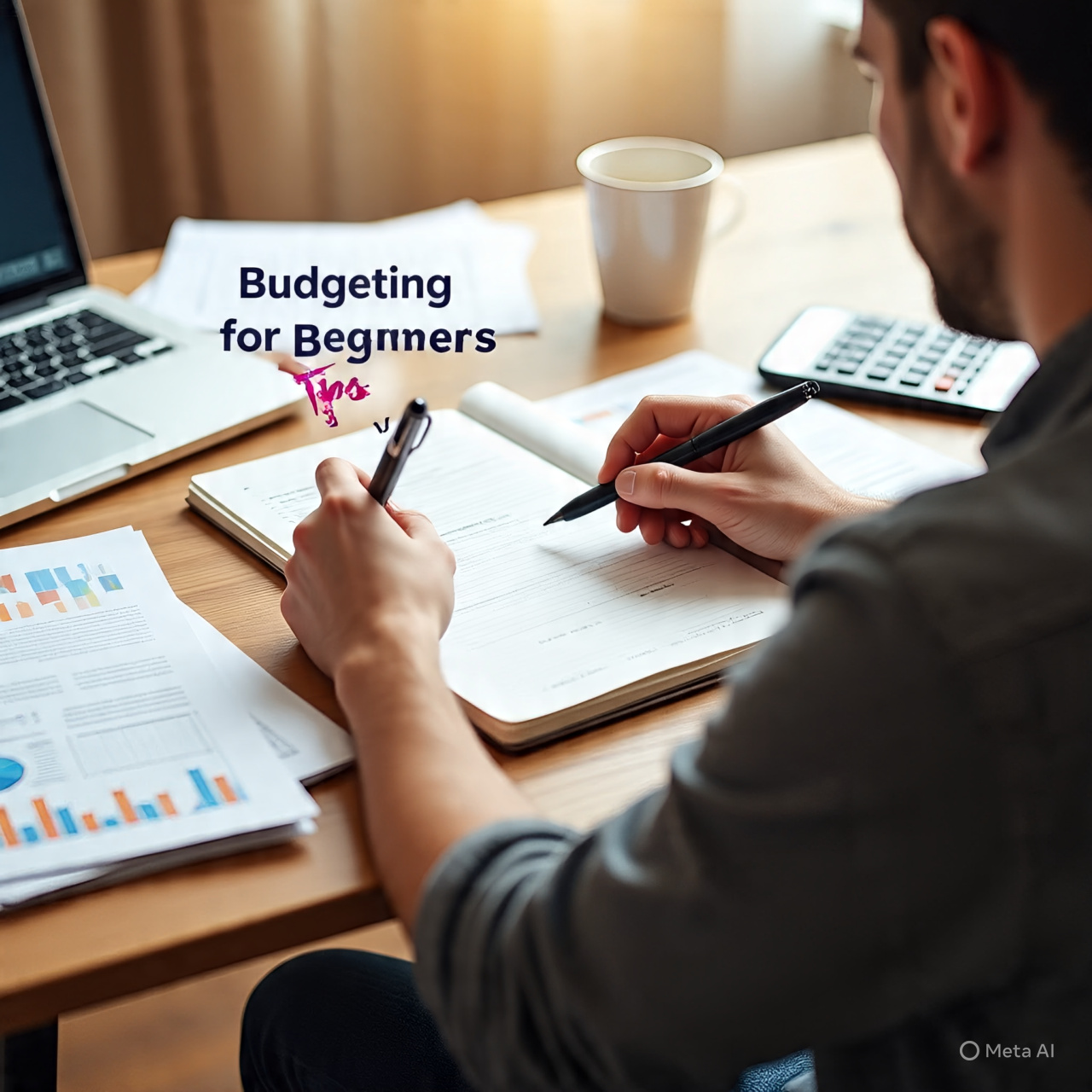
It’s a tool (could be a spreadsheet, an app, or even a good old-fashioned notebook) that helps you track your income and expenses over the course of a month. The goal? Make sure you’re spending less than you earn and putting money toward things that actually matter to you.
According to NerdWallet, the most effective budget planners help you categorize your spending so you can see patterns and make smarter financial decisions. And trust me, once you see those patterns, you’ll be shocked at how much you’re spending on subscriptions you forgot you had.
The 50/30/20 Rule: The Budgeting Method Everyone Swears By
If you’ve never budgeted before, the 50/30/20 rule is honestly the perfect place to start. This method divides your after-tax income into three simple categories:
50%
Essential expenses like rent, utilities, groceries, insurance, and transportation
30%
Fun stuff like dining out, entertainment, hobbies, and shopping
20%
Emergency fund, retirement contributions, and paying down debt
The beauty of this approach is its simplicity. You don’t need to track every single penny—just make sure your spending generally falls within these buckets. Chase Bank reports that this framework helps people balance immediate needs with long-term financial security without feeling overwhelmed.
But here’s the real talk: if you live in a place like New York City or San Francisco where rent alone can eat up 60% of your income, these percentages might not work perfectly for you. And that’s okay! The 50/30/20 rule is a guideline, not a law. Adjust it to fit your life.
How to Actually Create Your Monthly Budget Planner
Alright, let’s get practical. Here’s exactly how I recommend setting up your budget planner, step by step:
- Calculate your monthly income: Start with your take-home pay after taxes. Include any side hustle income, freelance work, or other reliable sources of money. This is your starting point—the total amount you have to work with each month.
- List all your fixed expenses: These are bills that stay relatively the same each month: rent or mortgage, car payment, insurance premiums, phone bill, subscriptions, and loan payments. Write them all down.
- Track your variable expenses: This is where it gets interesting. Look at your bank statements from the past three months. How much are you spending on groceries? Gas? Coffee runs? Entertainment? Be honest—this isn’t the time to fool yourself.
- Don’t forget irregular expenses: According to MoneySavingExpert, this is where most budgets fail. You need to account for things like birthday gifts, holiday spending, annual subscriptions, and car maintenance. Divide these annual costs by 12 and set aside that amount monthly.
- Categorize everything: Sort your expenses into needs, wants, and savings. This helps you see exactly where your money is going and where you might be able to cut back.
- Do the math: Add up your expenses and compare them to your income. If you’re spending more than you’re making, it’s time to make some adjustments. If you have money left over, decide where it should go—emergency fund, retirement, or specific savings goals.
I recommend looking at at least three months of bank statements when setting up your budget. This gives you a more accurate picture of your spending patterns, including those quarterly expenses that might otherwise sneak up on you.
The Best Tools for Monthly Budget Planning
You’ve got options when it comes to how you actually track your budget. Here’s what works for different types of people:
Budget Apps (For the Tech-Savvy)
Apps like Mint, YNAB (You Need A Budget), or Simplifi connect to your bank accounts and automatically categorize your spending. They’re perfect if you want real-time tracking without manual data entry. Most of these apps are free or charge a small monthly fee.
The downside? You have to connect your bank accounts, which some people aren’t comfortable with. Plus, you need to check the app regularly to make sure transactions are categorized correctly.
Spreadsheets (For the Control Freaks—I Mean Detail-Oriented People)
Google Sheets and Excel offer tons of free budget templates. Tiller highlights several popular options that range from simple income-expense trackers to comprehensive financial dashboards. The best part? You can customize everything to fit your exact needs.
I personally love spreadsheets because I can see everything at once and make it look exactly how I want. Yes, it takes more time than an app, but I find the manual process helps me stay more aware of my spending.
Paper Planners (For the Old-School Crowd)
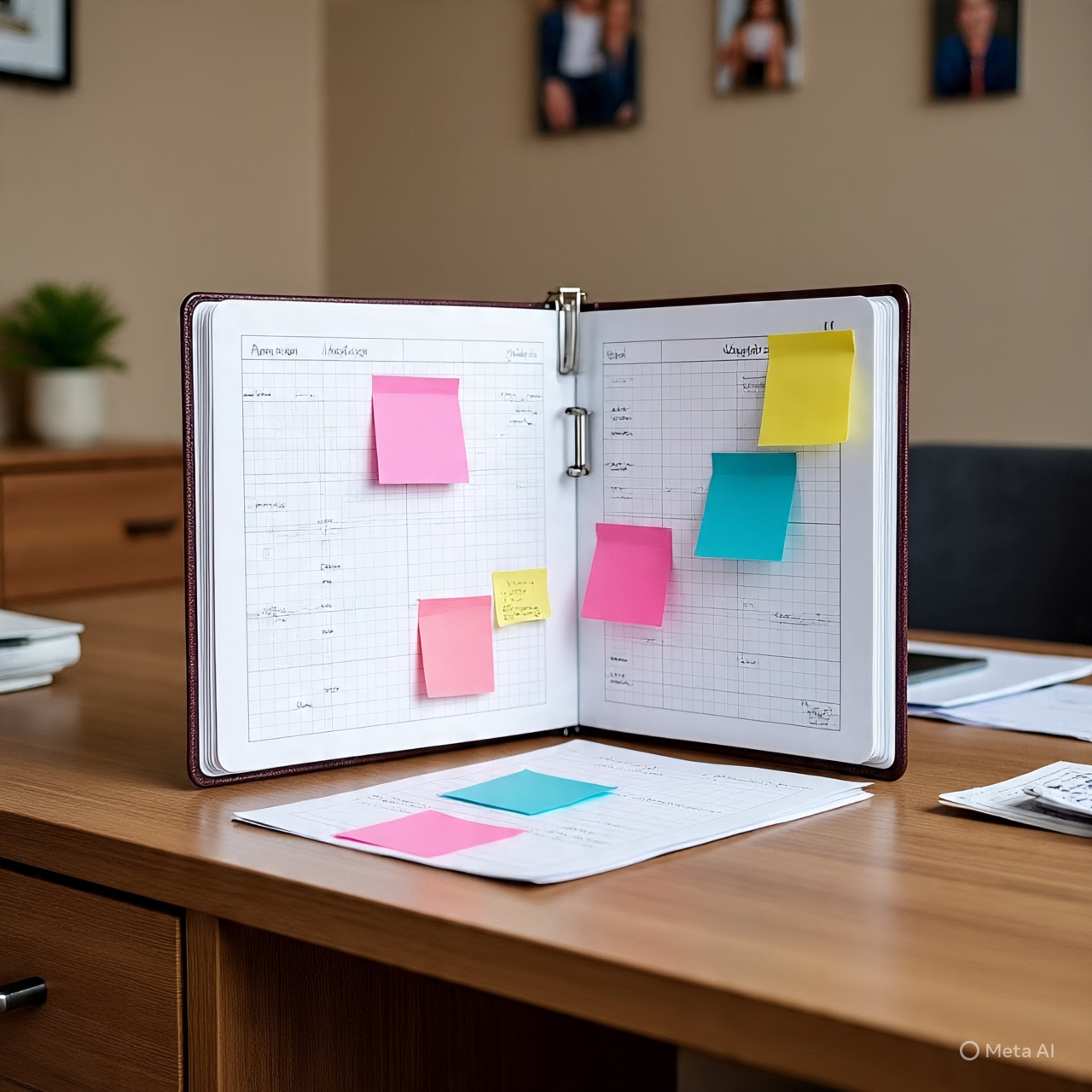
Physical budget planners are making a comeback. Writing things down by hand can actually help you remember and process information better. Plus, there’s something satisfying about crossing things off with a pen.
You can find budget planners on Amazon for $15-30 that include monthly spreads, expense trackers, savings goals, and debt payoff trackers. They’re perfect if you find digital tools overwhelming or distracting.
Common Budgeting Mistakes (And How to Avoid Them)
Being Too Restrictive
I’ve seen people try to cut their spending down to the absolute bare minimum, and it never lasts. You end up feeling deprived and then blow your budget on a massive shopping spree. Build in some fun money—you’re human, not a robot.
Forgetting About Irregular Expenses
Car insurance due twice a year? Holiday gifts? Annual subscriptions? These are budget killers if you don’t plan for them. Create a “sinking fund” where you set aside money each month for these predictable irregulars.
Not Tracking Consistently
A budget only works if you actually use it. Set a specific time each week (I do Sunday evenings) to review your spending and update your planner. Make it a habit, like brushing your teeth.
Setting Unrealistic Goals
If you’re currently spending $800 a month on dining out, don’t suddenly budget $100. That’s setting yourself up for failure. Instead, try reducing it to $600 this month, then $500 next month. Small, sustainable changes win the race.
🎯 Key Takeaways
- A monthly budget planner is a tool that helps you track income and expenses, ensuring you spend less than you earn
- The 50/30/20 rule (50% needs, 30% wants, 20% savings) is a simple framework that works for most people—but adjust it to fit your situation
- Choose a budgeting method that matches your personality: apps for convenience, spreadsheets for control, or paper planners for tangibility
- Account for irregular expenses like gifts and annual subscriptions by setting aside money monthly
- Consistency matters more than perfection—check in weekly and adjust as needed
Alternative Budgeting Methods to Consider
If the 50/30/20 rule doesn’t resonate with you, here are some other approaches worth exploring:
Zero-Based Budgeting
With this method, every single dollar of your income gets assigned a job. Income minus expenses should equal zero. This forces you to be super intentional about your money, but it requires more detailed tracking.
The Envelope System
This old-school method involves putting cash for different spending categories into physical envelopes. When the envelope is empty, you stop spending in that category. It’s incredibly effective for people who struggle with overspending because you can literally see your money disappearing.
The 80/20 Rule
This is the lazy person’s budget (and I mean that in the best way). Automatically save or invest 20% of your income, and spend the remaining 80% however you want. It’s simple, requires minimal tracking, and ensures you’re always saving something.
Making Your Budget Work in Real Life
Let’s talk about implementation. Because knowing how to budget and actually doing it are two very different things.
First, automate everything you can. Set up automatic transfers to your savings account on payday. Schedule automatic bill payments. The less you have to think about, the better.
Second, give yourself grace. Some months you’ll nail your budget. Other months, your car will break down or you’ll have three weddings to attend. That’s life. What matters is getting back on track the next month.
Third, review and adjust regularly. Your budget isn’t set in stone. As your income changes, your expenses shift, and your goals evolve, your budget should evolve too. I review mine thoroughly every quarter to make sure it still makes sense.
According to Quicken, people who track their spending and adjust their budgets regularly are significantly more likely to achieve their financial goals. The key is staying engaged with your finances without letting it consume your life.
The Psychological Side of Budgeting
Here’s something nobody talks about: budgeting is as much about psychology as it is about math. You’re not just managing money—you’re managing your relationship with money.
If you grew up in a household where money was tight, you might feel anxious about spending even when you can afford it. If money was never discussed, you might feel uncomfortable talking about your budget with your partner.
The point is, if your budget keeps failing, it might not be the budget—it might be your mindset. Take some time to reflect on your money beliefs. Where do they come from? Are they serving you? Sometimes working with a financial counselor can help you untangle these issues.
Frequently Asked Questions
How much money should I have in my emergency fund?
Financial experts typically recommend saving 3-6 months’ worth of essential expenses in an easily accessible emergency fund. If your job is stable and you have few financial obligations, 3 months might be enough. If you’re self-employed, have dependents, or work in an unstable industry, aim for 6 months or more. Start small—even $1,000 is better than nothing—and build from there.
What if my income varies each month?
Variable income makes budgeting trickier but not impossible. Base your budget on your lowest typical monthly income, not your average. Save the excess from higher-earning months to cover shortfalls in leaner months. Create a larger emergency fund (6-12 months of expenses) since your income is less predictable. Many freelancers and gig workers also find it helpful to pay themselves a consistent “salary” from their business account to smooth out the fluctuations.
Should I focus on paying off debt or building savings first?
This depends on your situation, but here’s a general guideline: First, save $1,000 for a small emergency fund so unexpected expenses don’t derail you. Then, focus on high-interest debt (anything over 7-8% interest, like credit cards) while making minimum payments on other debts. Once high-interest debt is gone, split your focus between building a 3-6 month emergency fund and paying off remaining debt. The key is finding a balance that works for your specific situation and risk tolerance.
How do I budget with my partner when we have different spending styles?
Start by having an honest conversation about your financial goals and values—no judgment, just listening. Decide whether you want to combine finances completely, keep everything separate, or use a hybrid approach (many couples have shared accounts for joint expenses and separate accounts for personal spending). Set some ground rules, like requiring discussion before purchases over a certain amount. Schedule monthly budget meetings to review spending and goals together. Remember, you’re a team working toward shared objectives, not opponents fighting for control.
What if I’ve tried budgeting before and it never sticks?
You’re definitely not alone—most people struggle with consistency at first. The issue is usually that the budget is too complicated, too restrictive, or doesn’t fit your lifestyle. Try simplifying: start with just tracking your spending for a month without making any changes, so you understand your baseline. Then make small, sustainable adjustments rather than overhauling everything at once. Choose a tracking method that feels easy for you, even if it’s not the “best” method. And consider whether you might benefit from an accountability partner or financial coach to help you stay on track.
Ready to Take Control of Your Financial Future?
Creating a monthly budget planner is one of the most powerful things you can do for your financial health. Start today—grab a spreadsheet, download an app, or pick up a paper planner. Your future self will thank you for taking this step. Remember, progress beats perfection every single time. 💪